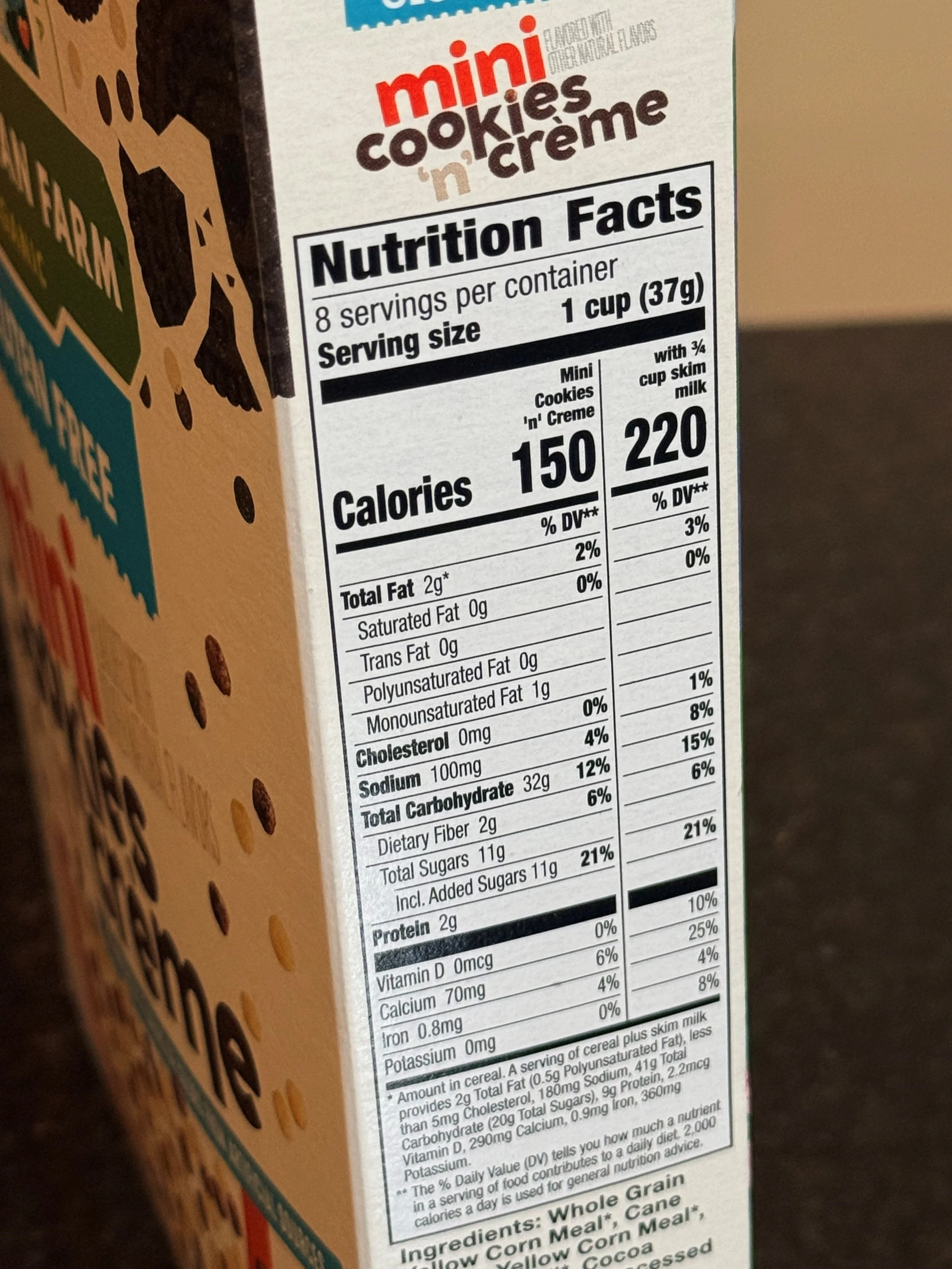
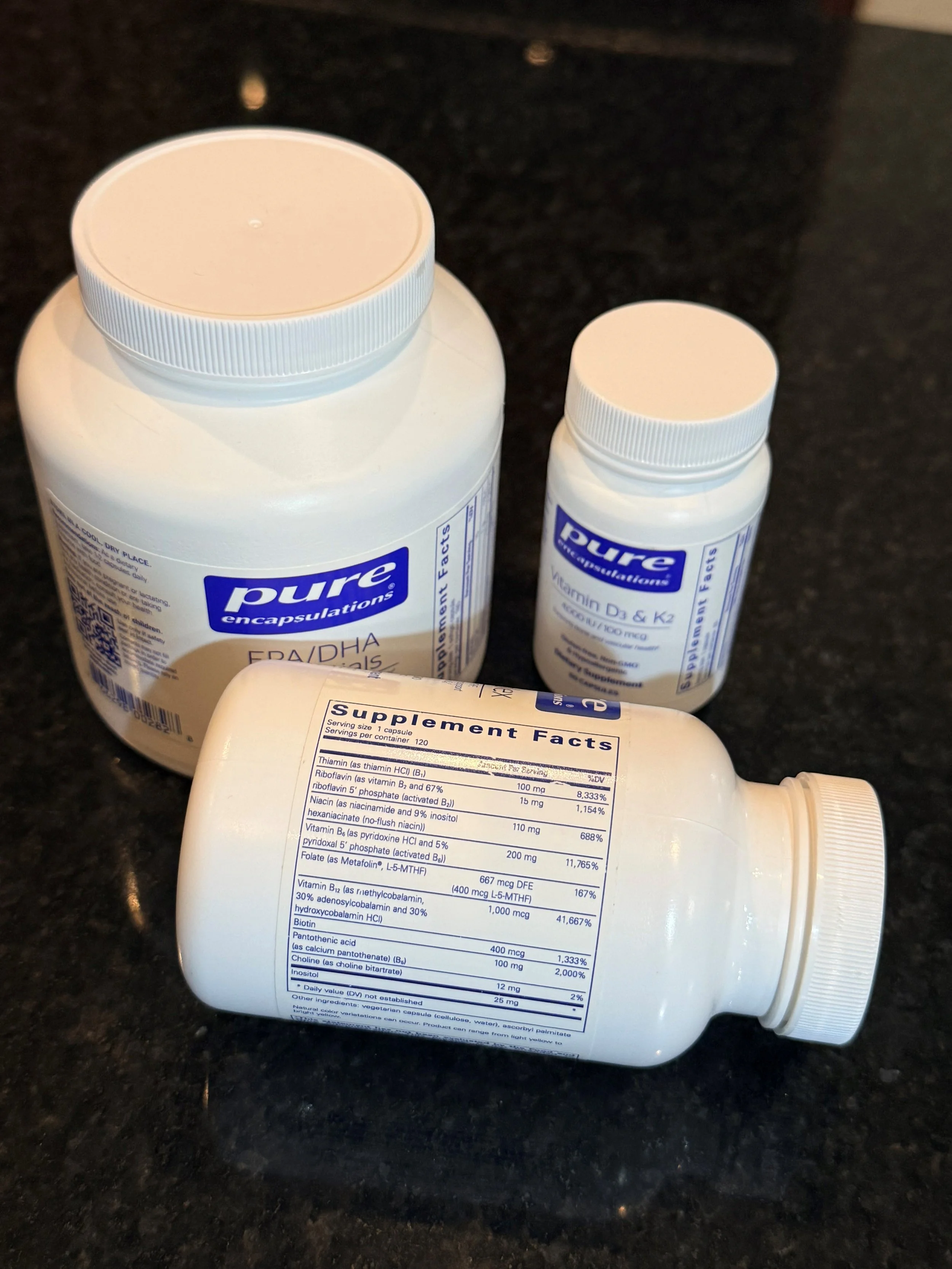
RDA (recommended Dietary Allowances) vs DV (Daily Values)
(revised August 7, 2026)
Introduction
RDA vs. Daily Value: What’s the Difference? When looking at nutrition labels or vitamin supplements, you’ll often see terms like RDA and % Daily Value. They sound similar, but they serve different purposes.
Definition
The Recommended Dietary Allowance (RDA) is the average daily intake of a nutrient considered sufficient to meet the needs of about 97–98% of healthy people in a specific age and sex group. The Daily Value (DV), on the other hand, is established by the U.S. Food and Drug Administration (FDA) and is used primarily for nutrition and dietary supplement labeling. The % Daily Value (%DV) you see on Nutrition Facts and Supplement Facts labels is based on these FDA Daily Values—not directly on an individual’s RDA.
In-depth Description
When looking at nutrition labels or vitamin supplements, you’ll often see terms like RDA and % Daily Value. They sound similar, but they serve different purposes.
The Recommended Dietary Allowance (RDA) is the average daily intake of a nutrient considered sufficient to meet the needs of about 97–98% of healthy people in a specific age and sex group. RDAs are part of the Dietary Reference Intakes (DRIs) developed by expert committees of the National Academies of Sciences, Engineering, and Medicine (NASEM).
Because nutrient needs can vary, RDAs are specific to factors such as age, sex, and life stage. For example, the RDA for a nutrient may be different for a 55-year-old man than it is for a 25-year-old woman or a pregnant woman.
The Daily Value (DV), on the other hand, is established by the U.S. Food and Drug Administration (FDA) and is used primarily for nutrition and dietary supplement labeling. The % Daily Value (%DV) you see on Nutrition Facts and Supplement Facts labels is based on these FDA Daily Values—not directly on an individual’s RDA.
For most foods and supplements, the standard %DV is based on reference values for adults and children age 4 and older. It is not specifically designed for an adult man, adult woman, or any one age group within that population. The FDA also has separate Daily Values for certain groups, including infants, young children, and pregnant or lactating women when products are specifically labeled for them.
It is also important to understand that 100% Daily Value does not mean “optimal intake.” Nor should the DV always be thought of as a minimum requirement. It is primarily a standardized reference that allows consumers to see how much a serving of food or a supplement contributes toward a daily amount.
The meaning of the DV also depends on the nutrient. For nutrients such as fiber, vitamin D, calcium, and potassium, the goal is generally to get enough. For nutrients such as saturated fat, sodium, and added sugars, the Daily Value functions more like a limit that you generally do not want to exceed.
A simple way to remember the difference is:
RDA = How much of a nutrient people in your particular age, sex, and life-stage group are generally recommended to consume.
DV = A standardized FDA reference used on food and supplement labels to help you understand and compare the amount of a nutrient in a serving.
Most importantly, neither the RDA nor the Daily Value necessarily represents an individual person’s “optimal” nutrient intake. Your actual needs can vary depending on factors such as diet, age, activity level, health status, absorption, medications, and other individual circumstances.
So when a vitamin bottle says it provides 100% of the Daily Value, that does not necessarily mean it provides exactly 100% of your personal RDA—and it certainly does not automatically mean that amount is optimal for you.
How do you determine your optimal intake for nutritional purposes?
A very easy tool is the Dietary Reference Intakes calculator. You enter information about yourself and it will calculate your minimum intake levels and upper tolerance levels. As always, there are many things that can affect these numbers, such as your overall health, medication, and genetics. Always consults with a certified nutritionist and/or your medical doctor.