antioxidants
(revised march 14, 2026)
Introduction
It seems you can’t watch TV or scroll on social media without being blasted with the newest and greatest “Antioxidant” advertisements. Is this the latest health fad or the real deal? Or, you may be already taking a bunch of Vitamin C and think to yourself, I don’t need any antioxidants, because I’m already taking some! Let’s take a deep dive on this topic and explain what science tells us about these compounds!
Definition
Antioxidants are compounds that help defend your cells against damage caused by free radicals. Free radicals are unstable molecules that form naturally during metabolism and can also be generated by factors such as pollution, smoking, UV exposure, and other environmental stresses. When these molecules build up in the body, they can create oxidative stress, a condition associated with aging and diseases such as Cancer, Heart Disease, and Alzheimer’s Disease.
Antioxidants neutralize free radicals by donating an electron, which stabilizes them and helps prevent damage to important cellular structures like DNA, proteins, and cell membranes.
Are there different antioxidants?
Short answer is Yes! There are a variety of antioxidants, and they can be classified differently. Lets first discuss their classification::
1. Endogenous vs. Exogenous Antioxidants (classification based on where the antioxidant originates)
a. Endogenous antioxidants are produced naturally by your body. These include compounds and enzymes that help control oxidative damage internally, such as glutathione and superoxide dismutase.
b. Exogenous antioxidants come from your diet or supplements. Examples include vitamins and plant compounds such as vitamin C, vitamin E, and carotenoids.
2. Enzymatic vs. Non-Enzymatic Antioxidants (classification refers to how the antioxidant functions)
a. Enzymatic antioxidants are enzymes that neutralize free radicals through chemical reactions. Important examples include superoxide dismutase, catalase, and glutathione peroxidase.
b. Non-enzymatic antioxidants are molecules that directly interact with free radicals and neutralize them. These include vitamin C, vitamin E, flavonoids, and carotenoids.
3. Water-Soluble vs. Fat-Soluble Antioxidants (classification based on where they work in the body)
a. Water-soluble antioxidants operate in the fluids inside and outside cells. Vitamin C is a common example.
b. Fat-soluble antioxidants protect cell membranes and other fatty structures in the body. Vitamin E and carotenoids fall into this category.
List of important antioxidants relevant to human health
Alpha-Lipoic Acid (ALA)
Benefits: Supports mitochondrial energy production and regenerates other antioxidants such as vitamin C and glutathione.
Produced by the body: Yes, in small amounts.
Common sources: Spinach, broccoli, organ meats.
Available as a supplement: Yes.
Astaxanthin
Benefits: Protects cell membranes and supports skin, eye, and cardiovascular health.
Produced by the body: No.
Common sources: Salmon, trout, shrimp, krill, red algae.
Available as a supplement: Yes.
Beta-Carotene
Benefits: Converts to vitamin A, protects cells from oxidative stress, supports immune function and vision.
Produced by the body: No.
Common sources: Carrots, sweet potatoes, pumpkins, leafy greens.
Available as a supplement: Yes.
Catalase
Benefits: Enzyme that breaks down hydrogen peroxide, preventing cellular oxidative damage.
Produced by the body: Yes.
Common sources: Fruits and vegetables (mostly supportive).
Available as a supplement: Limited; mostly supported through nutrients that aid production.
Coenzyme Q10 (CoQ10)
Benefits: Supports mitochondrial energy production and protects cells—especially heart and muscle—from oxidative damage.
Produced by the body: Yes.
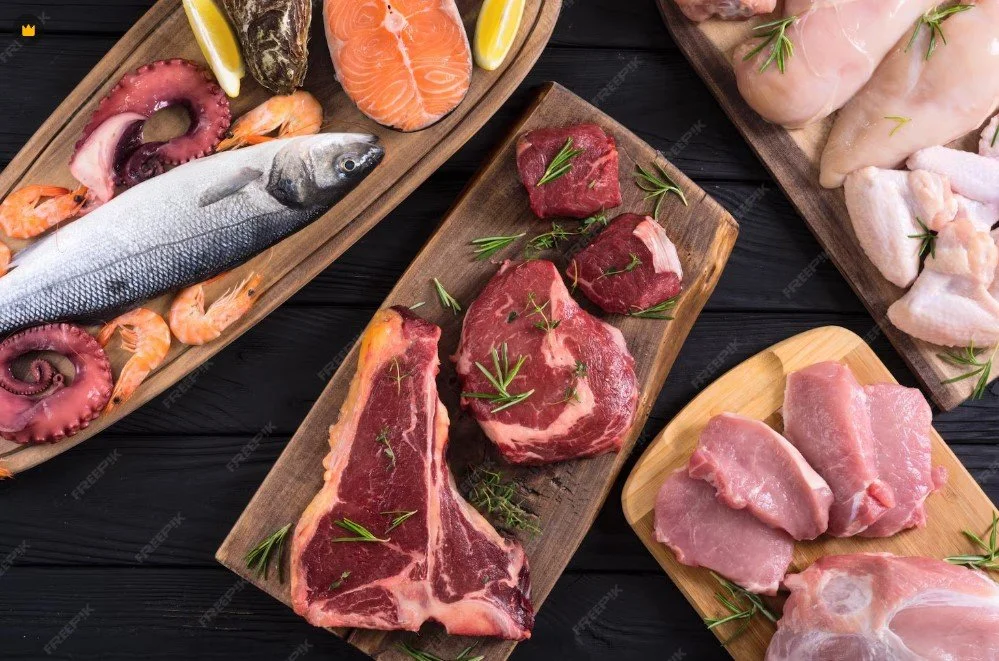
Common sources: Organ meats, beef, sardines, mackerel, whole grains.
Available as a supplement: Yes.
Flavonoids
Benefits: Plant compounds that reduce inflammation and oxidative damage; support cardiovascular and brain health.
Produced by the body: No.
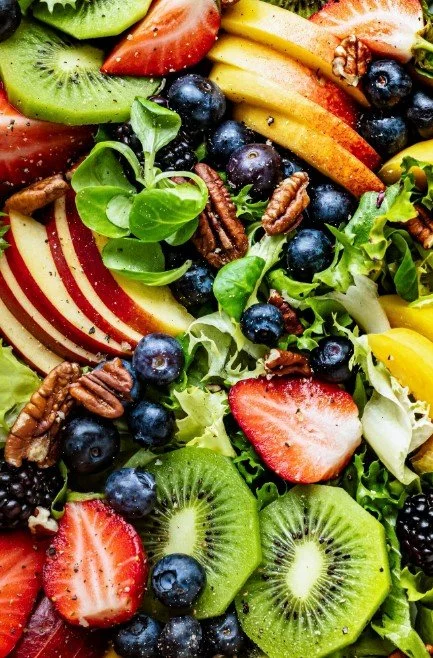
Common sources: Berries, apples, onions, citrus fruits, tea, cocoa.
Available as a supplement: Some, including quercetin and catechins.
Glutathione
Benefits: “Master antioxidant” supporting detoxification, immune function, and protection from oxidative stress.
Produced by the body: Yes.
Common sources: Spinach, avocado, asparagus; sulfur-rich foods boost production.
Available as a supplement: Yes, though bioavailability is variable; precursors like N-acetylcysteine (NAC) are commonly used.
Lutein
Benefits: Protects eyes from blue light and oxidative damage.
Produced by the body: No.
Common sources: Kale, spinach, collard greens, corn, eggs.
Available as a supplement: Yes.
Lycopene
Benefits: Protects cells from oxidative stress; supports cardiovascular and prostate health.
Produced by the body: No.
Common sources: Tomatoes, watermelon, pink grapefruit, guava.
Available as a supplement: Yes.
Melatonin
Benefits: Regulates sleep and acts as an antioxidant protecting mitochondria and brain cells.
Produced by the body: Yes.
Common sources: Tart cherries, grapes, walnuts, grains.
Available as a supplement: Yes.
Quercetin
Benefits: Antioxidant and anti-inflammatory; supports immune and cardiovascular health.
Produced by the body: No.
Common sources: Onions, apples, berries, grapes, capers.
Available as a supplement: Yes.
Resveratrol
Benefits: Supports heart health, metabolism, and cellular longevity.
Produced by the body: No.
Common sources: Grapes, blueberries, peanuts, red wine.
Available as a supplement: Yes.
Selenium
Benefits: Trace mineral needed for antioxidant enzymes like glutathione peroxidase; protects cells from oxidative damage.
Produced by the body: No.
Common sources: Brazil nuts, seafood, eggs, meat, whole grains.
Available as a supplement: Yes.
Superoxide Dismutase (SOD)
Benefits: Enzyme that neutralizes superoxide radicals, protecting cells from oxidative stress.
Produced by the body: Yes.
Common sources: Barley grass, wheatgrass, leafy vegetables (supports production).
Available as a supplement: Yes, though digestion may reduce activity; cofactors like zinc, copper, and manganese help production.
Vitamin A
Benefits: Supports vision, immune health, and protection of tissues from oxidative damage.
Produced by the body: No (converted from carotenoids).
Common sources: Liver, dairy, eggs, carrots, sweet potatoes.
Available as a supplement: Yes (retinol and beta-carotene forms).
Vitamin C (Ascorbic Acid)
Benefits: Water-soluble antioxidant protecting cells, supporting immune function, and aiding collagen production.
Produced by the body: No.
Common sources: Citrus fruits, strawberries, bell peppers, broccoli, kiwi.
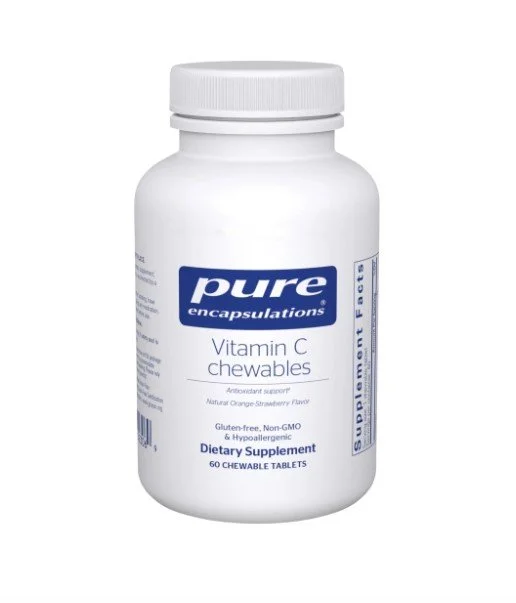
Available as a supplement: Yes.
Vitamin E (Tocopherols and Tocotrienols)
Benefits: Fat-soluble antioxidant protecting cell membranes and lipids from oxidative damage.
Produced by the body: No.
Common sources: Nuts, seeds, vegetable oils, almonds, spinach, avocados.
Available as a supplement: Yes.
Zeaxanthin
Benefits: Works with lutein to protect the retina from oxidative damage and harmful light exposure.
Produced by the body: No.
Common sources: Corn, orange peppers, eggs, kale, spinach.
Available as a supplement: Yes.
Do you only need one antioxidant?
You generally need a variety of antioxidants rather than relying on just one, because different antioxidants protect different parts of the body and work in different ways. Water-soluble antioxidants like vitamin C protect fluids inside and outside cells, while fat-soluble antioxidants like vitamin E protect cell membranes and fatty tissues, and enzymatic antioxidants like catalase and superoxide dismutase act inside cells to neutralize harmful radicals at the source. Many antioxidants also work together as a network, regenerating each other for stronger protection—for example, vitamin C can recycle vitamin E, and alpha-lipoic acid can regenerate both vitamin C and glutathione. Some antioxidants are produced by the body, such as glutathione, catalase, SOD, and melatonin, but their production depends on nutrients from food, while others, like vitamins C, E, A, carotenoids, and flavonoids, must mostly come from diet or supplements. This is why the most effective approach is to consume a diverse, colorful diet rich in fruit, vegetables, nuts and seeds and whole foods that provides a broad spectrum of antioxidants or their precursors. Consider supplements only if your diet is lacking or your doctor recommends them.
Concern
Taking too many antioxidant supplements can sometimes do more harm than good. While antioxidants are essential for protecting cells from free radicals, high doses can disrupt the body’s natural balance.
Excessive supplementation can cause:
Pro-oxidant effects: At very high levels, some antioxidants (like vitamin C or vitamin E) can actually act as free radicals, increasing oxidative stress instead of reducing it.
Interference with normal cell signaling: Free radicals aren’t always bad—they play a role in processes like immune defense and exercise adaptation. Over-suppressing them with high-dose antioxidants can blunt these normal signals.
Nutrient imbalances: Large amounts of one antioxidant can interfere with absorption or function of others. For instance, too much zinc can interfere with copper metabolism, which is needed for antioxidant enzymes.
Potential health risks: Studies have linked high doses of certain supplements to negative outcomes. For example:
Very high vitamin E supplementation has been associated with an increased risk of stroke in some studies.
High-dose beta-carotene supplements increased lung cancer risk in smokers.